Biochemistry And Biology, Lipolysis Statpearls Ncbi Shelf
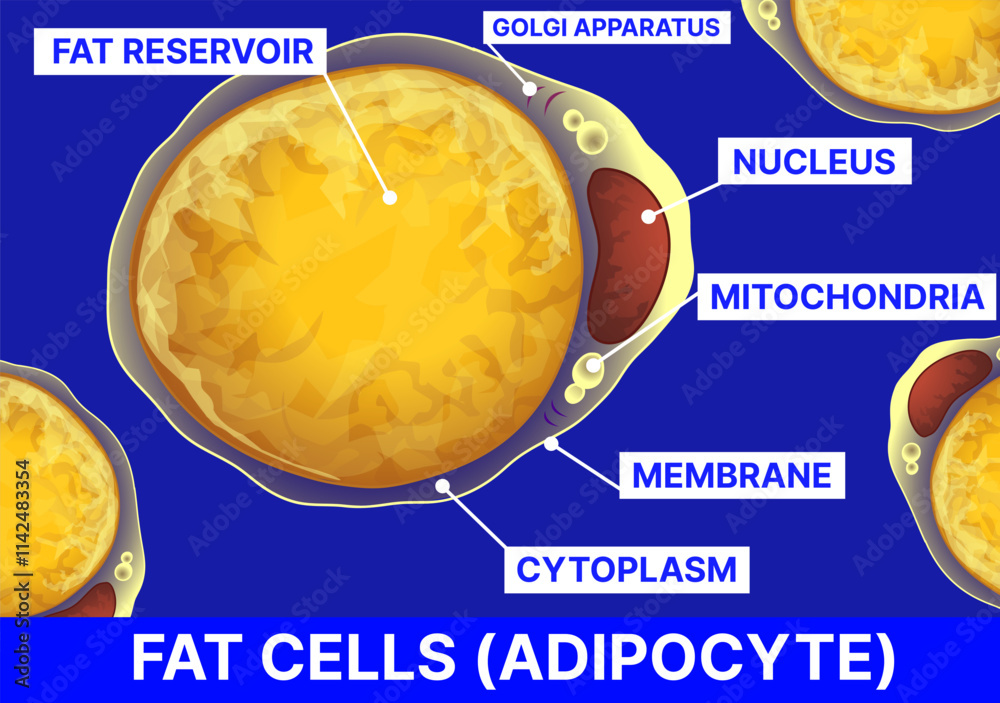
Where Does Fat Go When You Reduce Weight? They do have ceilings in absorption yet are far quicker than fat for delivering power to your muscular tissues. Fat likewise has a tendency to decrease stomach draining from the belly (also known as inhibit digestion) and can inhibit absorption from the small intestinal tract. If you've prepared a training session listed below 65 percent of your VO2 max (approximately 75 percent of your max heart rate) you can fuel the session with less carbs and even more fat. Beta oxidation is also essential as the key regulatory authority of movement with the pyruvate dehydrogenase (PDH) complicated. Researchers focused on the brain, particularly a hypothalamic healthy protein and insulin receptor called TCPTP, observing the results of restricting or minimizing TCPTP throughout dishes. Fat cells play a crucial duty in the storage and release of power throughout the body. Researchers do not totally comprehend the specific contribution of adipose-derived fatty acids to liver lipidome, however research studies suggest these comprise 70% of the triglyceride pool in the human liver. The technique established by the writers checks serum and liver lipid levels after boosting adipocyte lipolysis. To recognize the various lipid species, the group collaborated with UCLA Lipidomics Core. Exposure to chilly temperature levels naturally causes the mind to promote brownish fat cells and produce heat. Via a series of chain reactions, fatty acyl-CoA is exchanged the particle Acetyl-CoA. The break down of kept triglycerides right into fatty acids (i.e. lipolysis) is stimulated by the hormone adrenaline (epinephrine). Individuals might have naturally higher or lower collection weights than others; their set points can be influenced by genetics, aging, history of weight reduction and hormonal shifts. The concept recommends that your collection factor weight can increase but rarely reduced. It is easier to keep your set factor weight since your body wants to stay then-- not drop weight. There are several disorders of fat metabolic rate that provide with major and certain attributes but are not reviewed below as they are past the scope of lipolysis, particularly. These consist of, yet are not restricted to, fat oxidation problems (FAODs) such as MCAD deficiency or key carnitine shortage and peroxisomal problems such as Zellweger disorder and adrenoleukodystrophy. Body fat is primarily known for saving and launching power and supplying insulation.
Get Ready For Your Weight Loss Journey
- Understanding how well your body makes use of fat and carbs (metabolic performance) is necessary for endurance athletes.
- The ability of your body to store muscular tissue and liver glycogen, nevertheless, is restricted to roughly 1,800 to 2,000 calories well worth of power, or enough fuel for 90 to 120 minutes of constant, strenuous activity.
- These organelles allow the brownish adipocytes to generate a big quantity of warmth.
- Researches in animals-- and monitorings in human beings-- show that cool direct exposure not only triggers brownish fat but also enhances appetite.
- The Paleo and Keto group may try to tell you that any training session or race can be sustained with fat.
High Cholesterol Absorption Effectiveness Is Linked To Coronary Artery Illness
If ketones raise adequately in the blood, this can lead to ketoacidosis, which is specifically common in people with kind I diabetic issues and call for close tracking. In tissues such as muscular tissue and kidney, fatty acids undertake oxidation for energy. In the liver, fats transform to ketone bodies that are oxidized by tissues such as muscular tissue and kidney. Throughout malnourishment (after fasting has actually lasted for about 3 or even more days), the brain utilizes ketone bodies for power. The ketone bodies, acetoacetate, and β-hydroxybutyrate serve as a source of gas. The liver makes use of glycerol as a source of carbon for gluconeogenesis, which produces glucose for cells, consisting of the brain and red blood cells. Research study recommends that variations of your ACSL5 genetics affect the degrees and activity of your ACSL5 enzyme. This, consequently, influences just how successfully your cells can use fatty acids for energy. When fatty acids have been exchanged fatty acyl-CoA and transferred right into mitochondria, they can after that be used to generate ATP-- our cells' power money. The process of delivering fatty acyl-CoA across the mitochondrial membranes is assisted in by various transport proteins. Several of these transporter healthy proteins (e.g. CPT1 and CTPII) utilize an amino acid called carnitine.What are the biggest weight loss blunders?
- Keep in mind: your decrease in weight does not constantly show fat loss.Mistake 2: overstating calories burned.Mistake 3: not obtaining enough protein.Mistake 4: depending on cardio.Mistake 5:
- skipping rest and recovery.Mistake 8: not tracking your intake.Ready to take action? Making use of a digital pedometer to track your actions. & #x 201c; After about 30 to 60 minutes
- of cardiovascular workout, your body starts melting mostly fat, & #x 201d; Dr. Rifai describes.( If you're exercising reasonably, this takes
about an hour. )If all that workout feels out of grab you, start slow and develop your means up.